On Claiming Who You Are
A few meandering thoughts about labels and identity.
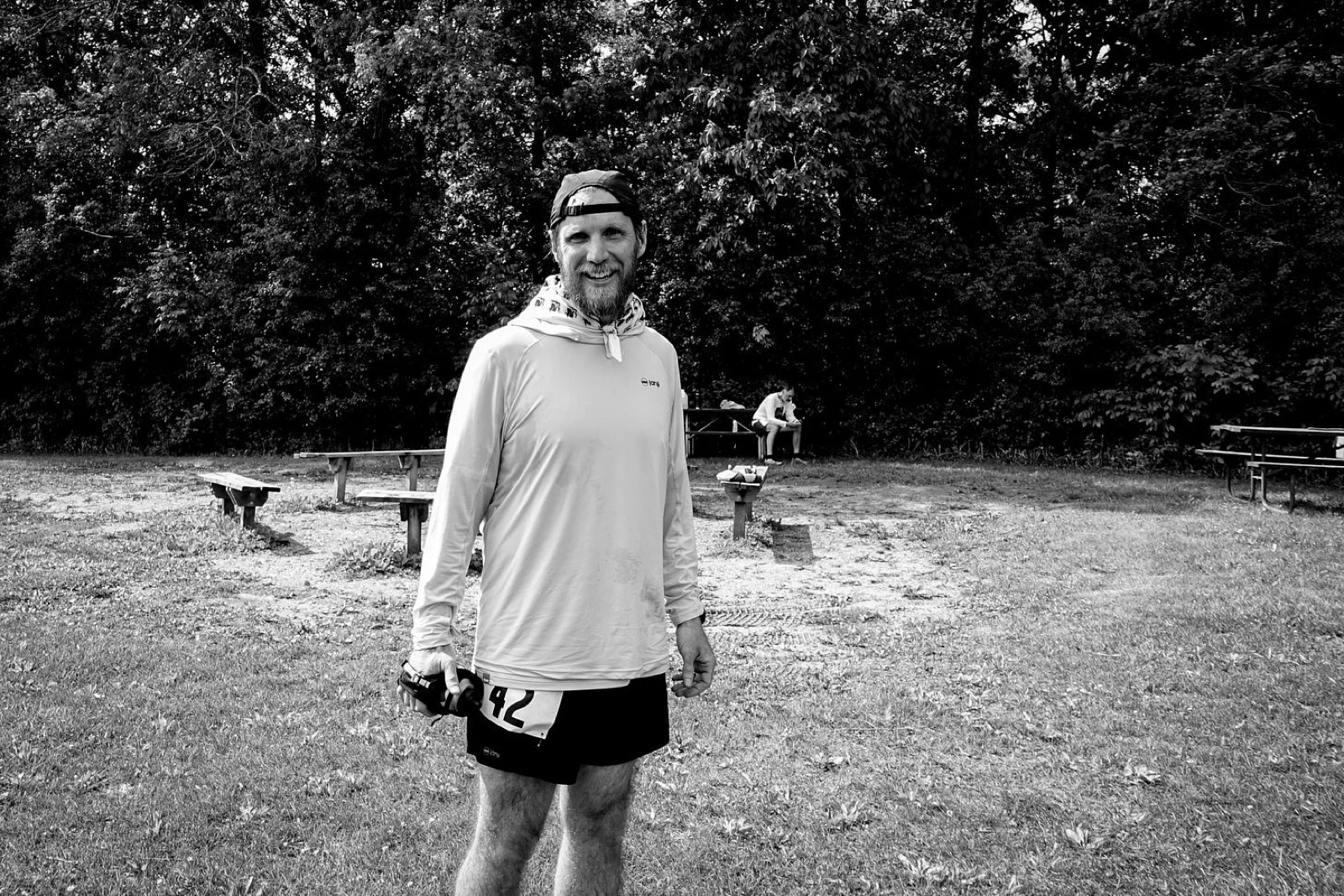
I find placing definitions on myself based on hobbies or personal choices very difficult. As if there’s this undetermined point I need to hit to achieve a certain status. A good example is my sobriety — I haven’t had a drink of alcohol in over two years, but I still struggle to call myself sober. In the same vein, I’ve been running consistently (or as consistently as someone who keeps finding ways to hurt himself or get sick can manage) for the last three years, but I get uncomfortable at the thought of calling myself a runner.
It’s hard not to think about imposter syndrome. The idea that I’m not good enough at running to call myself a runner. Or that I haven’t been sober long enough for it to be real. That there’s some finish line I haven’t crossed yet, some threshold I need to reach before I earn the right to claim these identities.
But where is that finish line? At what point do I become comfortable considering myself sober? When do I graduate from “someone who runs” to “a runner”? And more importantly, who decides?
The Labels We Accept
We have no issues defining ourselves based on our careers or relationships.
I am a cinematographer.
I am a husband.
I am a father.
These labels feel solid, concrete, unquestionable. No one asks me how long I’ve been married before accepting that I’m a husband. No one questions whether I’ve been a cinematographer long enough to claim the title.
So why, then, can I not be other things?
Maybe it’s because careers and relationships come with external validation built in. You have a job title, a paycheck, a marriage certificate. There’s documentation. There are witnesses. Society agrees that you are what you say you are.
But sobriety? Running? Those feel different. They’re choices I make every day. Actions I take in private. Commitments no one else sees unless I tell them. There’s no certificate for being sober. No official marathon finish line that declares you a runner. And even when I do finish races, they feel more like personal achievements than proof of identity. It’s just me, waking up every morning and deciding who I want to be.
And maybe that’s what makes it so hard to claim.
The Issue of External Validation
Culturally, it seems we’ve become a society that craves external validation. We measure our worth by likes, follows, comments from strangers. We need someone else to tell us we’re good enough before we believe it ourselves. And I think that’s part of what’s happening here — some part of me is waiting for permission that’s never going to come.
The truth is, it doesn’t really matter who’s listening when I say “I’m a runner.” If I run, I’m a runner. If I don’t drink, I’m sober. The math is simple. But somewhere along the way, I convinced myself that claiming these identities required approval from someone else. That I needed to be fast enough, consistent enough, or sober long enough for it to count.
But count to whom? And for what?
The uncomfortable reality is that I’m the only one keeping score. I’m the one moving the goalposts every time I get close. I’m the one saying “not yet” when the answer should probably just be “yes.”
More Than a Descriptor
Part of me wants to dismiss sobriety as just a descriptor — something that modifies who I already am. I am a sober husband and father. But that feels reductive, like I’m diminishing its importance.
Sobriety is a huge reason I got into running. It’s why I can be a better husband and father. It’s not just something I do; it’s something that fundamentally changed how I move through the world. To me, it feels like more than a descriptor. It’s a huge part of who I am.
And running? Running gave me something to focus on when I stopped drinking. It gave me a way to process stress, to be present in my body, to prove to myself that I could set a goal and follow through. It’s not just exercise. It’s evidence that I can show up for myself, even when it’s hard.
So why can’t I just say it? Why does my throat tighten when someone asks if I’m a runner, and I deflect with “I like to run from time to time” instead?
The Complexity of Being Human
I think a lot about how complex human beings are. How everyone is different — mentally, physically, emotionally. How the labels we carry (or refuse to carry) say as much about our internal landscape as they do about our external actions.
Maybe the discomfort isn’t about the labels themselves. Maybe it’s about what happens when I claim them. When I say “I’m a runner,” I’m making a promise to myself that I’ll keep running. When I say “I’m sober,” I’m acknowledging that I can never go back to who I was before. These aren’t just identities; they’re commitments. And commitments are scary because they require follow-through.
Or maybe I’m overthinking it. Maybe I just need to practice saying the words out loud until they stop feeling foreign.
Being Your Best Self
What I keep coming back to is this: it’s probably more important to be happy with yourself than it is to wait for external validation. To be your best self for you and the people close to you. To be a good neighbor, a decent person, someone who can be counted on. The labels are secondary to the actions.
But there’s something powerful about claiming who you are, too. About standing in your truth and owning it, even if no one else is watching. Especially if no one else is watching.
I haven’t figured this out yet. I’m still uncomfortable with the idea of just claiming it — claiming any of it. But maybe that’s the point of writing this. To sort through my thoughts. To see if the discomfort loosens when I put it on the page.
I’ve been sober for over two years. I’ve been running regularly for three. Those are facts. Whether or not I call myself sober or a runner doesn’t change them. But maybe one day, I’ll believe the labels as much as I believe the actions.
And maybe that will be enough.